
Important Note: यह article क्या है और क्या नहीं है?
यह article court verdict नहीं है. Ketan Agarwal case और अन्य incidents में कई बातें police investigation, media reports और legal process के basis पर सामने आई हैं. किसी भी accused को final guilty या innocent बताना court का काम है. GovJobUpdates इस topic को केवल student safety, relationship awareness, digital safety, mental health और legal awareness के perspective से समझा रहा है.
Article में graphic details avoid की गई हैं. Purpose डर फैलाना नहीं है; purpose है students को practical warning signs, safe decision-making और timely help लेने की समझ देना.
1. Ketan Agarwal case क्यों चर्चा में है?
Reports के अनुसार Pune/Lohagad से जुड़े Ketan Agarwal case में police ने alleged pre-planning, relationship angle, location scouting और crime scene reconstruction जैसे points पर investigation की. Media reports में accused persons के online searches और rehearsal जैसे claims भी सामने आए. यह case इसलिए चर्चा में आया क्योंकि इसमें young adults, relationship complexity, trust, travel safety और alleged planning जैसे elements जुड़े हुए हैं.
Students को इस case को gossip की तरह नहीं पढ़ना चाहिए. असली सवाल यह है कि हमारे आसपास young people emotional conflict, jealousy, manipulation, secrecy और violent thinking को कितनी गंभीरता से पहचानते हैं. कई बार किसी relationship या friendship में warning signs बहुत पहले दिखने लगते हैं, लेकिन लोग उन्हें “normal drama”, “possessiveness”, “love”, “anger issue” या “temporary fight” मानकर ignore कर देते हैं.
Ketan case जैसी tragedy हमें बताती है कि personal relationships में safety planning भी जरूरी है. किसी भी relationship में trust important है, लेकिन blind trust dangerous हो सकता है. Safe relationship वह है जहां respect, consent, transparency, emotional stability और boundaries हों.
2. Relationship red flags: students किन बातों को ignore कर देते हैं?
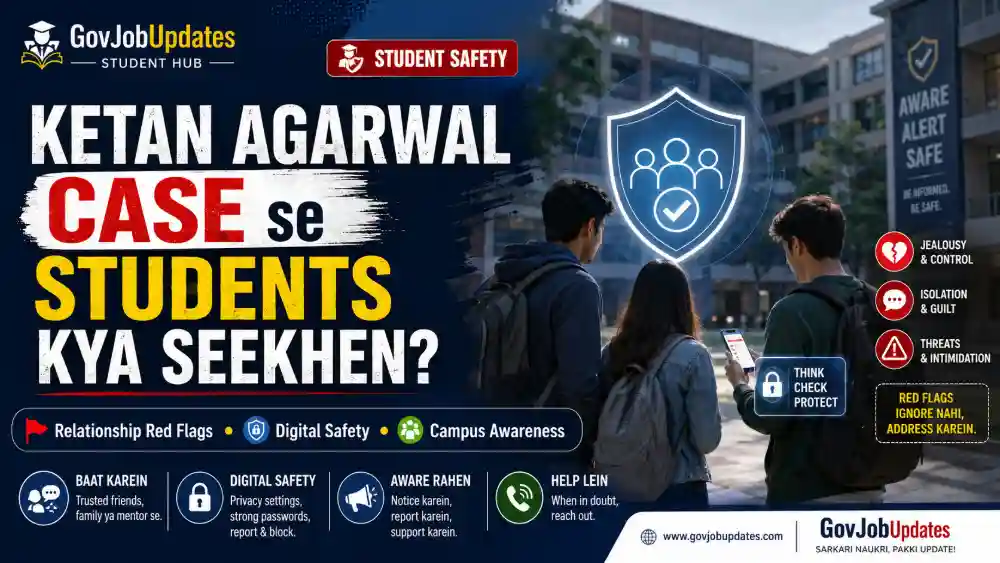
College, coaching और early career age में relationships intense हो सकते हैं. लेकिन हर intense emotion healthy नहीं होता. Excess control, obsession, stalking, threats, emotional blackmail, “अगर तुमने मुझसे बात नहीं की तो मैं कुछ कर दूंगा/कर दूंगी”, private photos का pressure, isolated जगह मिलने का insistence, friends/family से दूर करने की कोशिश — ये सब red flags हैं.
Red flag का मतलब यह नहीं कि हर fight crime में बदल जाएगी. Red flag का मतलब है कि situation को normal मानकर ignore नहीं करना चाहिए. अगर कोई person repeatedly boundaries cross कर रहा है, आपकी movement track कर रहा है, phone check कर रहा है, threats दे रहा है, या breakup/engagement/friendship conflict को revenge की तरह ले रहा है, तो उसे “possessive love” नहीं कहना चाहिए. यह unsafe pattern हो सकता है.
3. Relationship Safety Checklist
- किसी new या tense situation में isolated जगह अकेले न जाएं.
- Trusted friend या family member को location और expected return time बताएं.
- Phone charged रखें और emergency contacts speed dial में रखें.
- Repeated threats, stalking या blackmail को “मजाक” मानकर ignore न करें.
- Private photos, passwords, OTP, financial access कभी share न करें.
- Breakup या conflict के बाद unsafe meetup avoid करें.
4. Digital footprints: phone, chats और online search क्यों important हो गए हैं?
Modern investigations में mobile records, location history, messages, call logs, payment records, CCTV, social media activity और online searches बहुत important होते हैं. Ketan case की reports में भी online searches और phone-related evidence की चर्चा आई. Students के लिए इसका lesson यह है कि digital world में हर action का trace हो सकता है.
Digital footprint दो तरह से important है. पहला, safety के लिए. अगर आप किसी unsafe situation में हैं, तो location sharing, emergency message, call record और chat evidence मदद कर सकते हैं. दूसरा, responsibility के लिए. Threatening messages, revenge posts, private content leaks, fake allegations, cyber stalking और abusive chats legal trouble बन सकते हैं.
5. Travel और meetup safety: अकेले जाना कब risky हो जाता है?
Students अक्सर birthday, trip, fort, cafe, coaching meet, group study या private discussion के नाम पर बाहर मिलते हैं. हर meetup unsafe नहीं होता, लेकिन कुछ conditions risk बढ़ा देती हैं: isolated location, late timing, no network area, no known transport, tense relationship, secrecy, alcohol/drug environment, और किसी एक person पर पूरी तरह depend होना.
अगर relationship या friendship में पहले से conflict है, तो isolated जगह “final बात करने” जाना dangerous हो सकता है. Public place, daytime, known area और trusted person को information देना better है.
6. Previous incidents: students और young people के लिए broader pattern
Ketan Agarwal case अकेला incident नहीं है. हाल के वर्षों में India में student safety से जुड़े कई अलग-अलग प्रकार के cases सामने आए हैं. हर case अलग है, लेकिन common lesson यही है कि students को campus, hostel, relationship, digital space और public places में safety को seriously लेना चाहिए.
Kottayam Nursing College ragging case: 2025 में Kerala के Government College of Nursing, Kottayam से एक disturbing ragging case सामने आया. Reports के अनुसार junior student के साथ senior students द्वारा गंभीर assault और humiliation के आरोप लगे, arrests हुईं और campus protest भी हुआ. इस incident का lesson है कि ragging को “college tradition” या “senior-junior bonding” समझना dangerous है.
KIIT Bhubaneswar student death case: 2025 में Odisha के KIIT University में Nepali student Prakriti Lamsal की death के बाद harassment allegations, campus protests और institutional handling पर national debate हुई. ऐसे cases बताते हैं कि harassment complaints को समय पर सुनना और student mental health support systems मजबूत करना बहुत जरूरी है.
Dehradun student assault case: Reports में Tripura के MBA student Anjel Chakma की death से जुड़ा case सामने आया, जिसमें racial abuse और violent assault के allegations ने North-East students की safety और discrimination पर बड़ा सवाल उठाया. Lesson साफ है: campus और city spaces में regional/racial identity के कारण किसी student को unsafe feel नहीं होना चाहिए.
7. Unsafe behaviour के common patterns
- Control: “किससे बात कर रहे हो?”, “location भेजो”, “phone दिखाओ”.
- Isolation: friends/family से दूर करना या secret meetup pressure.
- Threats: breakup, rejection या complaint पर harm/defamation की धमकी.
- Humiliation: ragging, body shaming, caste/regional/racial insults.
- Digital abuse: fake account, stalking, private content misuse, abusive posts.
- Institutional silence: complaints को “छोटी बात” बोलकर दबाना.
8. Mental health angle: obsession और revenge thinking को romantic मत बनाइए
Films, reels और social media कई बार possessiveness को love की तरह दिखाते हैं. लेकिन real life में obsession dangerous हो सकता है. “तुम मेरी नहीं तो किसी की नहीं”, “मैं तुम्हारे बिना जी नहीं सकता”, “मैं तुम्हें बर्बाद कर दूंगा” — ये romantic dialogues नहीं, dangerous warning signs हैं.
Students को heartbreak, rejection, breakup और jealousy को healthy तरीके से process करना सीखना चाहिए. हर painful emotion action का justification नहीं बनता. अगर कोई person uncontrollable anger, revenge thoughts, stalking या self-harm/harm threats दिखा रहा है, तो trusted adult, counsellor, family या authority को involve करें.
9. Campus safety: college, hostel और coaching centres क्या करें?
Student safety केवल student की responsibility नहीं है. Colleges, hostels, coaching centres और PG owners की भी responsibility है. Anti-ragging committee सिर्फ paper पर नहीं, active होनी चाहिए. Complaint box, helpline, counsellor, CCTV, visitor register, hostel warden, emergency response और grievance redressal system functional होना चाहिए.
कई incidents में students बताते हैं कि उन्होंने पहले complaint की थी लेकिन उसे serious नहीं लिया गया. यही institutional failure का सबसे dangerous point है. जब student harassment, stalking, ragging या threat report करता है, तो response होना चाहिए: record, assess risk, protect student, involve parents/authorities if needed, and follow-up.
10. Parents और friends की role
- Student को judge करने से पहले सुनें.
- Relationship या harassment issue पर shame मत करें.
- अगर student डर रहा है, तो “overreact मत करो” कहकर dismiss न करें.
- Emergency contact system बनाएं.
- Hostel/PG/coaching address और friends की basic details रखें.
- Legal या police help लेने में delay न करें अगर threat serious है.
11. Legal awareness: FIR, complaint और cyber report कब करें?
Students अक्सर डर के कारण complaint नहीं करते. लेकिन stalking, threats, blackmail, physical assault, private content misuse, ragging, extortion, caste/racial abuse, sexual harassment और repeated intimidation serious issues हैं.
Emergency में 112 call किया जा सकता है. Cyber fraud या digital extortion में 1930 और cybercrime portal useful हैं. College ragging में anti-ragging helpline/committee और police दोनों routes हो सकते हैं. Evidence preserve करें: screenshots, call logs, dates, location, witness names, messages और payment records.
12. Social media और media trial से सावधानी
High-profile cases में social media तुरंत judgment देने लगता है. कोई accused को final criminal declare कर देता है, कोई victim blaming शुरू कर देता है, कोई gender war बना देता है, कोई fake screenshots circulate करता है. Students को ऐसी misinformation से बचना चाहिए.
Media reports important हैं, लेकिन final truth investigation और court process से आता है. किसी भी case में private photos, videos, unverified chats या family details share करना unethical भी है और legal trouble भी बना सकता है.
13. Students के लिए 15 practical safety rules
- Unsafe feeling को ignore न करें.
- Secret isolated meetup avoid करें.
- Trusted person को travel details बताएं.
- Emergency contacts speed dial में रखें.
- Private content और passwords share न करें.
- Repeated threats के screenshots save करें.
- Ragging को मजाक न मानें.
- Breakup conflict में public place choose करें.
- Unknown links और fake IDs से सावधान रहें.
- Racial/caste/gender abuse report करें.
- Mental health help लेने में शर्म न करें.
- Emergency में delay न करें — safety first.
14. Competitive exams और current affairs angle
ऐसे incidents केवल crime news नहीं हैं. UPSC, State PCS, SSC, Banking interviews और essay topics में youth safety, cybercrime, mental health, campus governance, women safety, ragging laws, digital privacy, social media misinformation और policing reforms जैसे topics relevant हो सकते हैं.
Students को essay या interview में balanced answer देना चाहिए. किसी gender/community को blame करने के बजाय systemic points लिखें: counselling, early warning, complaint mechanism, digital literacy, anti-ragging enforcement, safe public transport, cyber reporting, family communication और school/college level life-skills education.
15. Final Analysis: डर नहीं, awareness जरूरी है
Ketan Agarwal case और बाकी incidents हमें डराने के लिए नहीं, जगाने के लिए हैं. Young age में relationships, friendships, campus life और career pressure बहुत intense होते हैं. लेकिन safety और boundaries को ignore करके कोई भी relationship healthy नहीं रह सकता.
Students को समझना होगा कि red flags पहचानना maturity है. Help मांगना weakness नहीं है. Parents को समझना होगा कि judgement student को चुप कर देता है. Colleges और coaching centres को समझना होगा कि complaint system decorative नहीं, life-saving हो सकता है.
अक्सर पूछे जाने वाले प्रश्न (FAQs)
Ketan Agarwal case se students ko kya seekhna chahiye?
Students को relationship red flags, isolated travel risk, digital footprints, emotional manipulation, emergency contact sharing और legal awareness को seriously लेना चाहिए.
Relationship red flags kaun se hote hain?
Excess control, secrecy pressure, threats, stalking, blackmail, isolation from friends/family, aggressive jealousy और unsafe meetup pressure red flags हो सकते हैं.
Unsafe situation me student kya kare?
Trusted friend/family को inform करें, emergency number 112 use करें, cyber fraud/blackmail में 1930 और harassment/stalking में police या college authorities को report करें.
Ragging ko report karna zaroori hai?
हाँ. Ragging physical और mental safety दोनों के लिए dangerous है. College anti-ragging committee, helpline और police help ली जा सकती है.
Kya article kisi accused ko guilty batata hai?
नहीं. Article reports और police investigation stage को explain करता है. Final guilt या innocence court/legal process के बाद ही decide होती है.
Sources checked
- Times of India: Ketan Agrawal case investigation update
- Times of India: Ketan Agarwal case timeline
- Times of India: Family reaction and legal demand report
- Navbharat Times: Crime scene recreation report
- Kottayam Nursing College ragging case background
- Anjel Chakma student assault case background
- Prakriti Lamsal KIIT case background
Disclaimer
यह article educational awareness और student safety के उद्देश्य से लिखा गया है. Mentioned cases investigation/legal process से जुड़े हो सकते हैं; final responsibility court और competent authorities तय करती हैं. Emergency में 112, cyber fraud/blackmail में 1930, और serious harassment/stalking/ragging में local police, college authority या trusted adult की help लें.
Discussion 0
Join the Discussion
Login to your account to share comments, tips, and engage with other aspirants.